Navigating HOA Regulations for Building Sheds in Texas
- sean40532
- May 21
- 4 min read
Building a shed in your backyard can add valuable storage space and improve your home's functionality. However, if you live in a community governed by a Homeowners Association (HOA) in Texas, you need to understand the rules before starting construction. HOAs often have strict regulations about what you can build, where you can build it, and how it should look. Ignoring these rules can lead to fines, forced removal, or other complications.
This post explains how to navigate HOA regulations for sheds in Texas, helping you avoid common pitfalls and make your project a success.
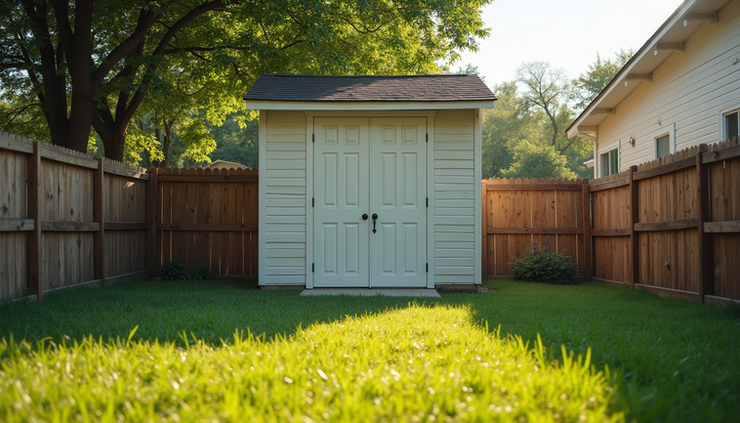
What Are HOA Regulations and Why Do They Matter?
Homeowners Associations are organizations that manage and enforce community standards in many Texas neighborhoods. These standards often cover:
Property appearance
Landscaping
Building structures like fences, decks, and sheds
HOA regulations aim to maintain property values and community aesthetics. When it comes to sheds, HOAs typically regulate:
Size and height limits
Placement on the property
Materials and colors used
Required permits or approvals
Ignoring these rules can lead to disputes with neighbors and the HOA board, costly fines, or even orders to remove your shed.
Common HOA Rules for Sheds in Texas
While each HOA has its own rules, some common regulations include:
Size and Height Restrictions
Most HOAs limit the maximum size of sheds, often between 100 and 200 square feet. Height limits usually range from 8 to 12 feet. These limits prevent sheds from dominating the yard or blocking views.
Location and Setbacks
HOAs often require sheds to be placed in the backyard, away from the street or front yard. Setbacks from property lines are common, typically 5 to 10 feet, to avoid encroaching on neighbors' space.
Appearance and Materials
Many HOAs require sheds to match the home's exterior style or color. For example, if your house has brick siding, the HOA might require a shed with similar brick or complementary colors. Metal or plastic sheds may be prohibited in favor of wood or vinyl.
Approval Process
Before building, you usually must submit plans to the HOA architectural review committee. This process can include:
Detailed drawings or photos of the proposed shed
Information on size, materials, and location
Estimated construction timeline
Approval can take several weeks, so plan accordingly.
How to Find Your HOA’s Shed Regulations
To avoid surprises, start by reviewing your HOA’s governing documents. These include:
Covenants, Conditions, and Restrictions (CC&Rs)
Architectural guidelines
Community rules and regulations
You can usually find these documents on your HOA’s website or request them from the management company. If you’re unsure, contact the HOA board or property manager directly.
Tips for Getting Shed Approval from Your HOA
Getting approval can be straightforward if you follow these tips:
Prepare detailed plans. Include measurements, materials, colors, and exact location on your property.
Choose a shed style that fits your neighborhood. Avoid flashy or unusual designs.
Use quality materials. Durable, attractive materials are more likely to be approved.
Communicate early. Reach out to the HOA before buying or building to discuss your plans.
Be patient and responsive. Respond quickly to any questions or requests for changes.
Examples of HOA Shed Rules in Texas Communities
Here are some examples of shed rules from Texas HOAs to illustrate the variety you might encounter:
Austin community: Maximum shed size 120 square feet, must be painted to match the house, located at least 7 feet from side and rear property lines.
Dallas neighborhood: Sheds cannot exceed 10 feet in height, must be placed behind the rear building line, and require HOA approval before construction.
Houston subdivision: Only wooden or vinyl sheds allowed, metal sheds prohibited, and sheds must have a roof style similar to the home.
These examples show the importance of checking your specific HOA’s rules.
What to Do If Your HOA Denies Your Shed Request
If your HOA denies your shed application:
Ask for specific reasons. Understanding the concerns can help you adjust your plans.
Modify your design. Change size, location, or materials to meet requirements.
Appeal the decision. Some HOAs have an appeals process or a board meeting where you can present your case.
Consider alternatives. If a shed is not allowed, look into other storage options like storage benches or small cabinets.
Legal Considerations for HOA Shed Rules in Texas
Texas law generally allows HOAs to enforce reasonable rules about property appearance and structures. However, rules must be:
Clearly stated in governing documents
Applied fairly and consistently
Not in conflict with local building codes or state laws
If you believe your HOA is acting unfairly or beyond its authority, consult a local attorney familiar with HOA law.
Practical Steps to Build a Shed in an HOA Community
Review HOA documents to understand shed rules.
Design your shed to comply with size, location, and appearance requirements.
Submit your plans to the HOA architectural committee.
Wait for approval before purchasing materials or starting construction.
Obtain any required city permits for building a shed.
Build your shed according to approved plans.
Notify the HOA when construction is complete if required.
Following these steps helps avoid conflicts and ensures your shed project goes smoothly.


Comments